What Is Screen Printing? A Guide to Professional Printing
Posted on 31 January 2018
You send a design. A short production window passes. A box of beautifully printed apparel arrives at your door, ready to represent your brand, your team, or your event. The process feels almost effortless from the outside. But behind every crisp logo and every perfectly aligned colour is a production method that blends art, precision, and industrial craftsmanship.
Screen printing remains one of the most trusted and widely used techniques in custom apparel production. It is valued for its durability, rich colour output, and efficiency at scale. At R&P Prints Canada, screen printing is not just a service. It is a refined production system built on decades of expertise, professional equipment, and a deep understanding of fabric, ink, and design.
This guide breaks down exactly what screen printing is, how it works, why it continues to dominate the apparel industry, and when it is the best choice for your next project.
From Silk to Streetwear: The History and Evolution of Screen Printing
Screen printing is a form of stencil based printing that can be traced back to ancient China during the Song Dynasty. Early artisans used silk mesh to transfer decorative patterns onto fabric. The technique spread across Asia and later into Europe, where it was adapted for commercial textile printing.
In the twentieth century, screen printing took on a new cultural identity. Artists such as Andy Warhol used it to reproduce bold, graphic imagery, bringing the process into galleries, studios, and mainstream culture. Screen printing became a symbol of mass creativity, allowing art and design to be shared at scale.
The modern commercial breakthrough came in the 1960s when Fannie and Michael Vasilantone developed automated machinery that transformed screen printing into a high efficiency production method. Their innovations allowed for faster setups, higher volumes, and consistent print quality across thousands of garments.
Today, screen printing has evolved into a highly technical process used by apparel manufacturers, promotional product companies, and global brands. At Prints Canada, this legacy is reflected in every order, combining artistic roots with industry grade production standards.
For readers who want a museum-level explanation of how screen printing developed as an artistic and cultural technique, the Metropolitan Museum of Art offers a clear breakdown of its origins and materials.
What Is Screen Printing, Exactly?
Screen printing is a method of transferring ink onto a surface using a mesh screen, a stencil, and a squeegee. The stencil blocks certain areas of the screen, allowing ink to pass through only where the design should appear. Each colour in a design is applied using its own screen, layered carefully to build the final image.
This technique is especially popular for screen printed apparel because it produces vibrant, long lasting results that withstand repeated washing and wear. It works on cotton, polyester, blends, and specialty fabrics, making it ideal for custom t-shirts, hoodies, tote bags, athletic wear, and more.
If you are new to the process, doing some research and properly understanding silk screen printing can help you make better choices when selecting a printing method for your brand or event.
Step Inside the Shop: Screen Printing Process Steps
Every screen printed garment follows a precise sequence. While the basics remain simple, each step requires accuracy and craftsmanship to achieve professional results, and following proven t-shirt design tips at the start of the process helps ensure your artwork translates cleanly from screen to fabric.
Artwork preparation
Your design is converted into print ready files. Colours are separated so each screen corresponds to one ink layer.
Screen coating
A fine mesh screen is stretched tightly over a frame and coated with light sensitive emulsion.
Exposure
The coated screen is exposed to light with your design film placed on top. Light hardens the emulsion except where the design blocks it.
Washout
The unhardened emulsion is rinsed away, leaving open mesh where ink will pass through.
Ink setup
Each colour is mixed and tested for accuracy. Screens are aligned on the press.
Printing
Ink is pushed through the screen using a squeegee, transferring the design onto the garment.
Curing
The ink is heat cured so it bonds permanently with the fabric.
This multi step process ensures that each print is sharp, consistent, and built to last.
For a classroom and studio focused walkthrough of the full silkscreen process, including screen preparation and ink application, this university arts guide offers a practical learning reference.

The Tools of the Trade: Screen Printing Equipment and Materials
Professional results require professional tools. At R&P Prints Canada, every piece of equipment is selected for precision, efficiency, and repeatable quality.
Screens are made with industry grade mesh that holds fine detail. Emulsions are chosen for durability and clarity. Printing presses range from manual units for specialty jobs to automated systems for large production runs.
Dryers cure ink at controlled temperatures to prevent cracking or fading. Colour matching systems ensure consistency across reorders. Every tool plays a role in producing garments that look as good on day one as they do months later.
For a deeper academic overview of screen printing as part of professional printmaking practice, LSU Libraries provides a detailed resource on the tools, terminology, and production context:
Colour That Lasts: Inks and Pretreatment in Screen Printing
Ink selection defines the look and feel of a print. R&P Prints Canada works with premium plastisol and water based inks, each offering distinct advantages.
Plastisol inks deliver bold colour saturation and exceptional durability. They sit on top of the fabric, creating a vibrant, smooth finish.
Water based inks soak into the fibres, producing a softer, more natural feel. They are ideal for lightweight garments and vintage style designs.
Some fabrics require pretreatment to ensure ink adhesion and colour vibrancy. This preparation step helps prevent bleeding and ensures long term performance.
More Than One Way to Print: Types and Techniques of Screen Printing
Screen printing is not a single technique but a family of methods.
Traditional flat screen printing is ideal for standard apparel. Rotational printing is used for continuous fabric rolls. Discharge printing removes dye from the fabric and replaces it with ink for ultra soft designs. Puff inks add dimension, while specialty finishes like metallic or glow inks create visual impact. High density inks create raised textures, while simulated process printing allows for photographic style colour blends using layered screens. These options make it possible to adapt designs to fabric type, wear purpose, and brand style.
Each technique serves a different purpose, allowing for creative flexibility across projects.
For an educational, step-by-step breakdown of technique variations and screen use in real production environments, this art education guide explains how different printing methods are applied in practice.
Where Screen Printing Shines: Applications and Uses of Screen Printing
From corporate uniforms to band merchandise, screen printing supports a wide range of applications.
Businesses use it for promotional apparel and staff branding. Sports teams rely on it for jerseys and fan gear. Schools and charities create spirit wear. Event organizers order merchandise that extends their brand long after the event ends. Retail brands also use screen printing for limited runs and seasonal collections, while construction, hospitality, and healthcare teams depend on durable prints that hold up to daily use and frequent laundering.
For organizations seeking consistent quality across large orders, screen printing services remain the gold standard.
Smart at Scale: Automation and Machine Options in Screen Printing
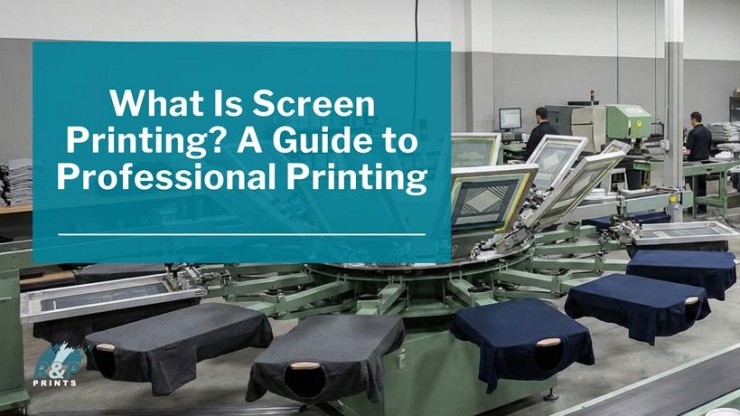
Automation has transformed modern screen printing. Automatic presses can print thousands of garments per day with perfect alignment and colour consistency.
These systems reduce setup time, minimize waste, and ensure every piece meets the same quality standard. This efficiency is what makes bulk t-shirt printing both affordable and reliable. Advanced registration systems, digital controls, and real time ink monitoring further improve accuracy, allowing large orders to move through production quickly without sacrificing print clarity or colour stability.
The Honest Truth: Advantages and Disadvantages of Screen Printing
Screen printing offers unmatched durability, vibrant colours, and cost efficiency for large orders. It produces a premium look that stands up to daily wear.
However, it requires setup for each colour, making small runs more expensive than digital methods. Highly detailed gradients may also be better suited to alternative techniques. Design simplicity and colour planning are important, as each additional screen increases production time. Working with experienced printers helps ensure the design is optimized for both cost and visual impact.
Knowing these strengths and limits helps you choose the right method for your project.

Choosing the Right Method: Comparison with Other Printing Methods
Direct to garment printing is ideal for short runs and photographic detail. Heat transfer vinyl works for personalization. Embroidery offers texture and dimension.
Yet for consistency, longevity, and professional appearance, professional screen printing continues to lead the industry. It remains the preferred choice for organizations that need bold colour, repeatable quality, and long term durability across large quantities of garments and varied fabric types.
For a university perspective on printmaking disciplines and how screen printing compares within fine and applied arts, the University of Alberta outlines the role of screen printing in modern production.
Designed to Represent You: Custom Apparel with Confidence
Your apparel is a walking representation of your brand. Whether you need custom logo clothing for your team or event merchandise that stands out, quality matters.
At R&P Prints Canada, every design is handled by skilled printers who ensure alignment, colour accuracy, and durability across every order. From fabric selection to final curing, each step is carefully managed to reflect your brand values and ensure your apparel feels as professional as it looks.
Why R&P Prints Canada
Reliable professional results. Expert craftsmanship at scale. Premium inks and materials. Efficient production for big orders.
R&P Prints Canada combines industry grade technology with hands-on expertise to deliver apparel that performs as beautifully as it looks.
If you are exploring custom screen printing Canada, comparing methods, or seeking guidance through complex screen printing terms, our team is here to help.
From custom t-shirt printing to design consultation and design tips, we support you through every step.
When you are ready to create apparel that lasts, we are ready to print.