
The Ultimate Guide to Choosing the Right T-Shirt Fabric
Posted on 06 November 2024
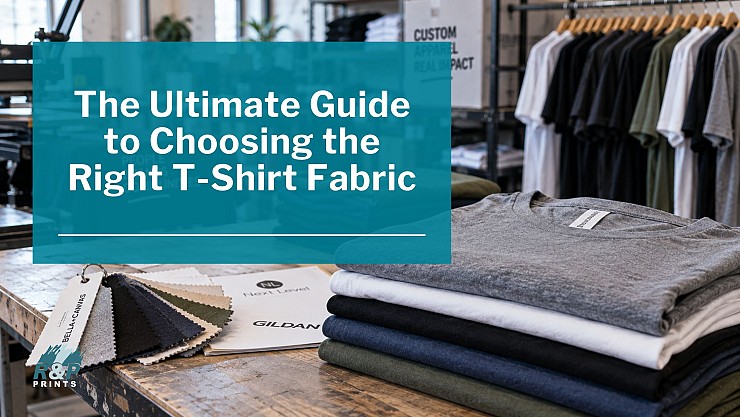
Choosing the right fabric for a custom t-shirt might seem like a small decision. In reality, it is one of the most important factors determining how the final garment will look, feel, and perform over time.
Businesses investing in apparel printing often focus heavily on design, colors, and logo placement. Those elements matter. Yet the fabric underneath the ink plays an equally critical role. It affects print clarity, durability, shrinkage, comfort, and how people actually feel when wearing the shirt.
For brands, event organizers, and companies producing merchandise or uniforms, fabric choice directly influences perception. A well printed design on a poor quality shirt rarely achieves the desired impact. On the other hand, a carefully chosen garment enhances both the print and the overall brand experience.
This guide explores the most common t-shirt fabrics used in custom apparel production and explains how to choose the right option for your specific needs.
Why Fabric Choice Matters More Than Most Buyers Expect
Many first time buyers assume a t-shirt is simply a t-shirt. In reality, fabric composition and construction vary widely between garments.
These differences influence several important outcomes:
- Comfort and softness
- Print clarity and color vibrancy
- Durability after repeated washing
- Shrinkage and shape retention
- Overall brand perception
When organizations produce branded merchandise shirts, they are not simply distributing clothing. They are creating a wearable representation of their brand. The texture, weight, and feel of the garment shape how recipients perceive quality.
This is why experienced printers evaluate fabric carefully before production begins. Selecting the right garment protects both the design and the reputation behind it.
Understanding the Main Types of T-Shirt Fabric
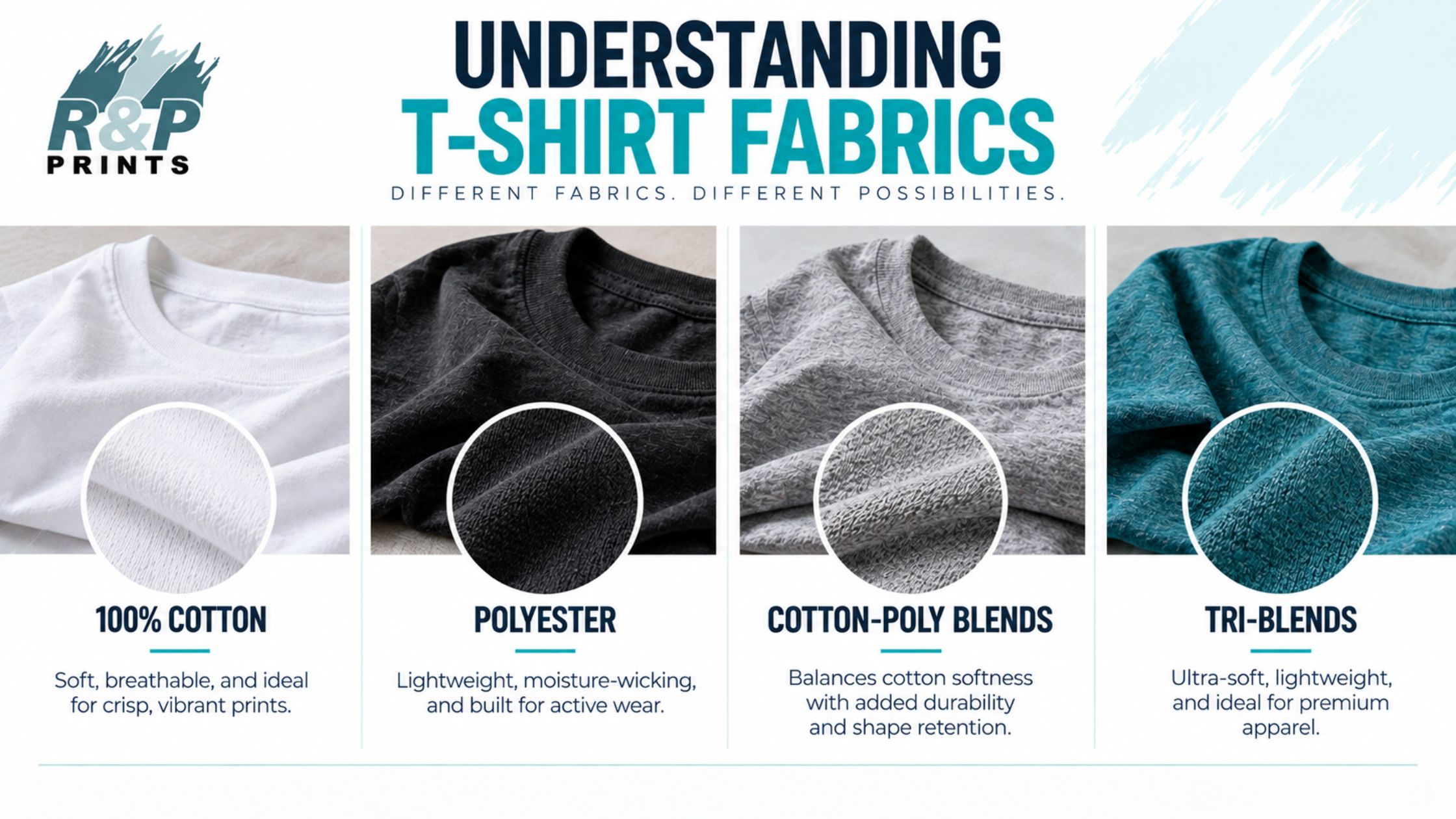
Most custom t-shirts fall into four primary fabric categories. Each material offers distinct advantages depending on how the shirts will be used.
Cotton, polyester, and blended fibers dominate the apparel industry because each offers different performance characteristics in comfort, durability, and print compatibility. Educational textile resources from the University of Georgia Extension provide a helpful explanation of and how natural and synthetic fibers behave in garments.
100 Percent Cotton
Cotton remains one of the most popular materials in the custom apparel industry. Classic cotton shirts offer a soft, breathable feel that many people prefer for everyday wear.
Cotton fibers absorb ink well during screen printing. This allows for bold colors and crisp design edges when the printing process is executed correctly.
However, cotton also has a few considerations. Lower quality cotton garments may shrink after washing. Heavier cotton fabrics can also feel warmer in hot climates.
High quality ring spun cotton garments reduce these issues by producing a smoother and more durable fabric surface. Cotton is highly breathable but tends to retain moisture rather than wick it away, which is why synthetic performance fabrics are often preferred for athletic wear and outdoor events.
Polyester
Polyester is commonly used in athletic or performance apparel. The fabric is lightweight, moisture wicking, and resistant to shrinking.
Polyester garments work well for sports teams, outdoor events, and environments where durability matters more than softness.
However, polyester can behave differently during screen printing because the fibers repel certain inks. Specialized printing techniques are sometimes required to prevent dye migration or color bleeding.
Cotton Polyester Blends
Blended fabrics combine cotton and polyester fibers. These blends offer a balance between softness and durability.
Cotton polyester blends often hold their shape better than pure cotton while still providing a comfortable feel. Because the cotton content still accepts ink effectively, these fabrics are frequently used for promotional t-shirts that need both affordability and decent print performance.
Tri Blends
Tri blend shirts typically combine cotton, polyester, and rayon. The result is an exceptionally soft and lightweight garment with a slightly textured appearance.
Tri blends are popular for fashion forward merchandise and retail style apparel because they drape well and feel comfortable against the skin. For brands looking to create premium looking merchandise, tri blends are often a strong option.
Fabric Weight and GSM: The Hidden Indicator of Quality
Fabric weight is often measured in GSM, which stands for grams per square meter. This number provides insight into how heavy or lightweight the fabric is.
Lower GSM fabrics typically feel lighter and thinner. Higher GSM fabrics feel denser and more structured.
Common ranges include:
- Lightweight fabrics
- 130 to 150 GSM
- Mid weight fabrics
- 150 to 180 GSM
- Heavyweight fabrics
- 180 GSM and above
The best weight depends on the purpose of the shirt. Lightweight garments work well for summer events or athletic use. Heavier shirts tend to feel more durable and premium, which can be beneficial for corporate team apparel where longevity matters.
Fabric weight also influences how the garment holds ink during printing. Heavier fabrics often provide a more stable surface for detailed designs.
In textile manufacturing and international trade classifications, fabrics are often categorized by weight and construction. Government textile documentation from the U.S. International Trade Commission outlines how cotton fabrics are in global textile standards.
Research also highlights how fabric mass per unit area influences durability and performance. Studies published through the National Library of Medicine explain textile thickness and structure.
Fabric Construction and Knit Quality
Beyond fiber content and weight, fabric construction also plays a critical role. Most t-shirts use jersey knit construction. This knit style creates a flexible fabric that stretches comfortably while maintaining structure.
Higher quality garments often use ring spun cotton or combed cotton yarns. These processes remove shorter fibers, producing a smoother surface. A smoother fabric surface improves printing results because the ink sits evenly on the material rather than being disrupted by uneven fibers.
For companies seeking professional screen printing, selecting a well constructed garment ensures the design appears sharp and consistent across every shirt.
Fabric Suitability for Screen Printing and Other Print Methods
Different fabrics respond differently to various printing techniques. Traditional screen printing works exceptionally well on cotton and cotton rich blends because the fibers absorb ink effectively.
Polyester fabrics sometimes require low bleed inks or specialty additives to prevent dye migration. Without these adjustments, underlying dyes can discolor printed graphics. Heat transfer printing and direct to garment printing may also perform differently depending on the fabric composition.
Working with an experienced printer helps determine which garment materials will produce the best results for a specific design. The goal is not simply to print on any shirt available. It is to choose fabric that supports clean, durable prints from the beginning.
Blended and Specialty Fabrics Enter the Market
In recent years, apparel manufacturers have introduced several specialty fabrics designed to enhance comfort and sustainability.
Modern textile production frequently blends fibers to balance softness, durability, and performance. Textile research guides from the University of Wisconsin Libraries explain how manufacturers combine the advantages of multiple materials in a single garment.
Some garments now include recycled polyester fibers made from post consumer materials. Others incorporate natural fibers like hemp or bamboo. Soft performance blends have also become increasingly common, offering moisture management while maintaining a comfortable feel.
For example, some brands now explore bamboo t-shirts for their natural softness and sustainability appeal. While these fabrics can feel luxurious, they may require additional testing to ensure compatibility with specific printing methods.
Understanding the characteristics of these newer fabrics helps businesses experiment with innovative apparel options while maintaining print quality.
Performance and Sustainable Fabric Options
Sustainability has become an important factor in apparel decisions. Eco conscious businesses often look for fabrics that reduce environmental impact without sacrificing comfort or durability.
Several options have emerged:
- Organic cotton produced without synthetic pesticides
- Recycled polyester made from plastic waste
- Bamboo based fabrics with natural softness
- Blended fabrics designed for long term durability
These garments appeal particularly to brands that prioritize environmentally responsible production. In many cases, sustainable fabrics also provide high quality printing surfaces when paired with the right ink systems.
Choosing eco-friendly garments can therefore support both brand values and strong visual presentation.
Sampling and Testing Before Full Production
One of the most overlooked steps in apparel production is sampling. Ordering sample garments before a full production run allows businesses to evaluate fabric quality, comfort, and print performance.
This process helps identify potential issues such as unexpected shrinkage, ink absorption differences, or fabric texture that may affect the design. Even within the same fabric category, different garment brands may use slightly different yarns, weights, or construction methods. Sampling allows you to compare these variations and choose the garment that best matches your expectations.
For organizations planning large merchandise orders, uniforms, or small business corporate team apparel, testing ensures the final shirts meet expectations before significant resources are committed. Sampling is particularly valuable when trying new fabric types or unfamiliar garment brands.
Factors That Should Guide Your Final Fabric Choice
Choosing the best fabric for custom t-shirts involves balancing several considerations.
Start by asking a few key questions.
- Who will wear the shirts?
- How often will they be worn?
- Whether the shirts are promotional or retail quality?
- What type of printing method will be used?
- What climate or environment will the shirts be worn in?
Event giveaways might prioritize affordability and lightweight comfort. Retail merchandise may emphasize softness and premium appearance. Corporate apparel might prioritize durability and consistent fit across many employees. The right answer is rarely the same for every project. This is where experienced guidance becomes valuable.
Care requirements are another important consideration. Cotton garments may shrink slightly and can wrinkle more easily, while blended fabrics typically retain shape better after repeated washing. Performance fabrics dry quickly and resist shrinking, making them ideal for garments that will be worn and washed frequently.
Garment Guidance That Protects Your Brand
Fabric selection is not simply a technical decision. It directly influences how people experience your brand.
At R&P Prints Canada, fabric consultation is part of every project. Our team evaluates garment weight, fiber composition, shrinkage risk, and print compatibility before production begins, ensuring every custom apparel printing project starts with the right garment foundation.
This approach ensures businesses ordering t-shirt printing in Toronto projects receive garments that align with their brand identity and event goals.
Whether producing merchandise for a retail launch, uniforms for staff, or apparel for marketing campaigns, selecting the right garment ensures the final product feels as good as it looks.
We focus on three principles that guide every project:
- Fabric knowledge that protects brand image
- Garment guidance beyond basic printing
- Consistent print quality across all fabric types
From classic cotton to tri blends and performance fabrics, careful garment selection ensures the final result represents your brand with clarity and confidence.
Fabric Is the Foundation of Great Custom Apparel
Great custom t-shirts begin long before the printing press starts. They begin with fabric.
Understanding fiber types, garment construction, weight, and print compatibility allows businesses to make informed decisions that protect both their designs and their brand reputation.
A well chosen garment enhances comfort, improves print durability, and creates apparel people genuinely want to wear. When fabric selection is handled thoughtfully, custom apparel becomes more than promotional clothing. It becomes a lasting extension of your brand identity.
For organizations exploring custom t-shirts in Toronto, working with experienced printers ensures every detail from fabric choice to final ink application is handled with precision.
Because the best printed shirts do more than display a logo. They deliver a complete experience that reflects quality from the first touch to the final impression.